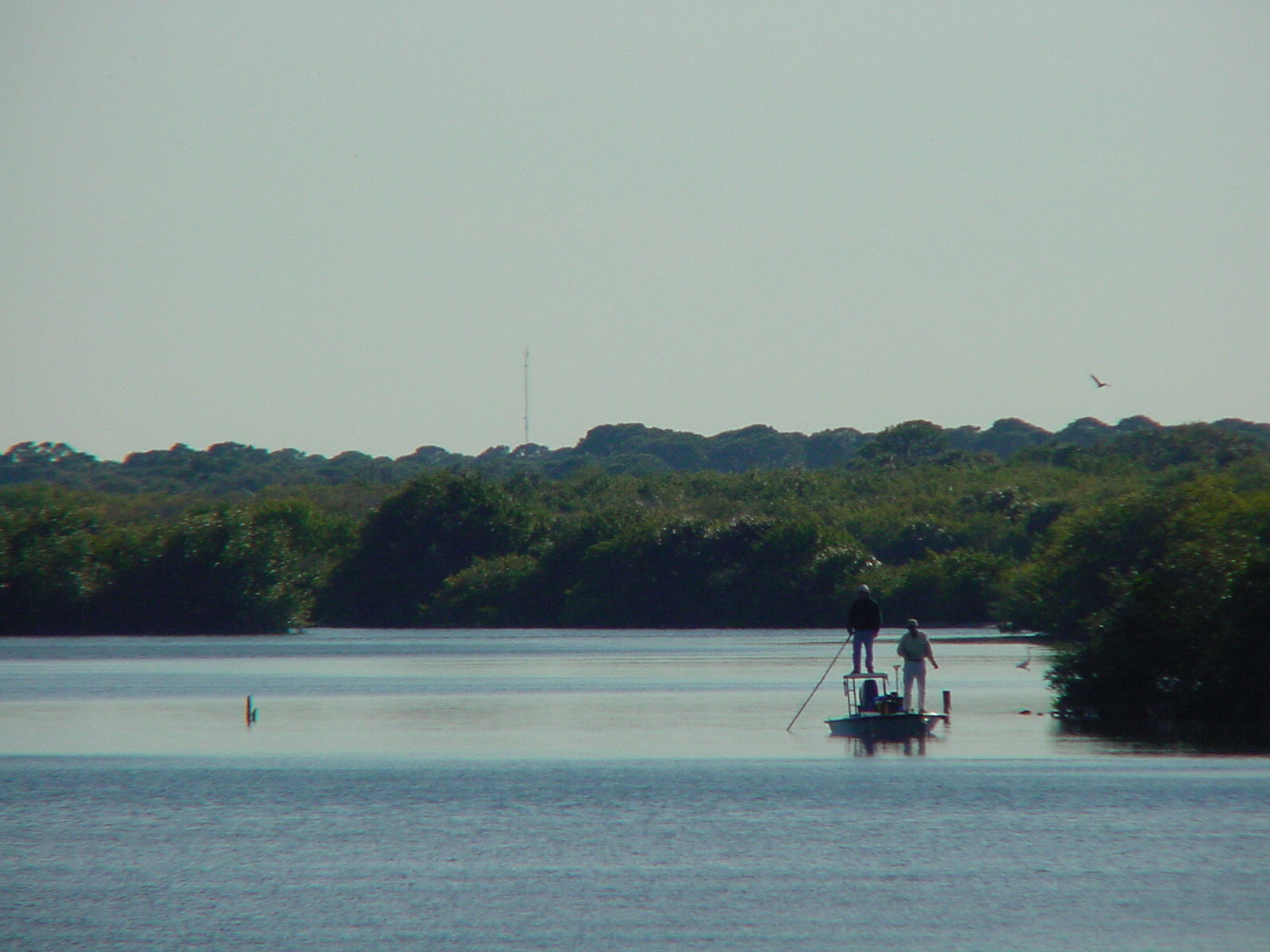
Long before tourists discovered its beaches and developers platted its subdivisions, Fort Pierce was a fishing town. The settlement that grew up along the western shore of the Indian River Lagoon owed its earliest livelihood to the abundance of fish in its surrounding waters. For more than a century, the Fort Pierce fishing industry shaped the community's identity, determined the rhythm of its daily life, and provided livelihoods for generations of families who made their living on the water. From the mullet camps of the 1880s to the shrimp trawlers of the mid-twentieth century, fishing was the occupation that shaped the character of the Sunrise City.
Early fishing on the Indian River
The earliest inhabitants of the Fort Pierce area, the Ais and their predecessors, had harvested the waters of the Indian River Lagoon for thousands of years before European contact. Shell middens along the lagoon shoreline testify to the centrality of fishing and shellfish gathering in their culture. When American settlers began arriving in the region following the end of the Third Seminole War in 1858, they quickly recognized the same bounty that had sustained Native peoples for millennia.
By the 1870s and 1880s, small settlements along the Indian River were engaging in subsistence and small-scale commercial fishing. The lagoon teemed with mullet, sea trout (spotted seatrout), redfish (red drum), snook, sheepshead, and a variety of other species. Mullet was particularly important in the early days: it was abundant, easy to catch with cast nets and gill nets, and could be salted and smoked for preservation.
Early settlers established fish camps along the riverbanks, drying and salting their catch for shipment to markets in Jacksonville and beyond. By 1910 the trade had moved onto the town dock itself, where five wholesale fish houses stood a few feet apart, beside a machine shop and a gasoline warehouse, on the August night one of them burned. That night is told in the story of the Fort Pierce fire department.
The arrival of the Florida East Coast Railway to Fort Pierce in 1894 transformed the local fishing economy. For the first time, fishermen could ship fresh fish packed in ice to distant markets. What had been a largely subsistence activity became a genuine commercial enterprise. The railroad connected Fort Pierce to the population centers of the eastern seaboard, and the demand for fresh Florida seafood grew steadily through the turn of the twentieth century.
From 1905 the trade ran on a calendar. The port shipped its fish by the barrel, tallied for the opening days of November 1905, and the closed season for mullet ran by law from midnight on November 15 until after the first of the year. The town’s standing description of itself in 1909 put the fishery among its first claims: Fort Pierce was three miles from Indian River Inlet, the great fishing point.
That inlet was the natural one, the lagoon’s ocean door of the era, a dozen years before the permanent Fort Pierce Inlet was cut. The trade’s exposure to weather was counted in the fall of 1910, when the hurricane of 1910 wrecked wharfs and boathouses along the Fort Pierce shore and the Board of Trade told the Weather Bureau that the fishery had about fifty thousand dollars in boats, nets, racks and buildings in exposed places.
The Indian River bounty
The Indian River Lagoon, stretching 156 miles along Florida's east coast, is one of the most biologically diverse estuaries in North America. The lagoon's brackish waters (a mixture of fresh water from rivers and creeks and salt water from ocean inlets) create an extraordinarily productive ecosystem. At Fort Pierce, the lagoon is relatively wide, and its seagrass beds, mangrove shorelines, and oyster bars provided ideal habitat for the fish species that sustained the commercial fishing industry.
Commercial fishing
Commercial fishing refers to the harvesting of fish and other seafood from wild populations for sale. Unlike recreational or sport fishing, commercial fishing is conducted as a business, with catches sold to fish houses, processors, restaurants, and retail markets. In Fort Pierce, commercial fishing encompassed net fishing in the Indian River Lagoon, offshore trolling and bottom fishing in the Atlantic Ocean, and shrimp trawling along the coast.
Mullet remained the staple catch for Fort Pierce fishermen well into the twentieth century. Schools of mullet migrated through the lagoon seasonally, and during the fall mullet run, fishermen could harvest enormous quantities. Mullet was prized not only for its flesh but for its roe, which commanded premium prices and was exported as far as the Caribbean and even to Asian markets. Pompano, one of the most valued food fish in the Atlantic, was another important commercial species. Fort Pierce fishermen also targeted king mackerel, Spanish mackerel, bluefish, and various species of snapper and grouper in offshore waters.
The lagoon itself provided more than just fish. Blue crabs, stone crabs, and oysters were harvested commercially. Clams were dug from the shallow flats. The diversity of the catch meant that Fort Pierce fishermen could work year-round, shifting their target species with the seasons. This year-round productivity was a key advantage that distinguished the Fort Pierce fishing industry from seasonal fisheries further north. For more on the ecology that underpinned this abundance, Treasure Coast Ecosystems offers detailed information about the Indian River Lagoon system.
The commercial fishing era
The opening of the Fort Pierce Inlet in 1921 changed the local fishing industry. Although earlier, temporary inlets had periodically connected the Indian River Lagoon to the Atlantic Ocean in the Fort Pierce area, the permanent inlet (dredged and stabilized with jetties by the U.S. Army Corps of Engineers) gave Fort Pierce fishermen reliable access to the open Atlantic. This opened up offshore fishing grounds that had previously been difficult to reach, and it allowed larger vessels to operate from the Fort Pierce harbor.
Through the 1920s, 1930s, and 1940s, the Fort Pierce fishing industry grew steadily. The waterfront along the Indian River, particularly in the area near the city marina and the historic downtown, became lined with fish houses, commercial operations where the day's catch was brought in, sorted, cleaned, iced, packed, and shipped. These fish houses were the economic engines of the waterfront district. They employed not only the fishermen themselves but also workers who processed, packed, and transported the fish. During peak seasons, the fish houses operated around the clock.
The fishing fleet that operated from Fort Pierce during this era consisted primarily of small to medium-sized boats. Inshore fishermen worked skiffs and small motorboats in the lagoon, using gill nets, cast nets, and seines to harvest mullet, trout, and other species. Offshore fishermen operated larger vessels, heading out through the Fort Pierce Inlet to fish the waters of the Atlantic for mackerel, snapper, grouper, and other deep-water species. The fleet was modest by comparison to the great commercial fishing ports of New England or the Gulf Coast, but it was the lifeblood of Fort Pierce.
The rise of shrimping
The mid-twentieth century brought a new chapter in the Fort Pierce fishing industry with the rise of commercial shrimping. Although shrimp had always been present in the waters around Fort Pierce, large-scale commercial shrimp trawling did not develop in the region until the 1940s and 1950s. The technology of otter trawls (funnel-shaped nets towed along the ocean bottom) had been refined in the Gulf of Mexico and gradually spread to the Atlantic coast of Florida.
Fort Pierce became an important home port for shrimp trawlers working the waters off the Treasure Coast. The pink shrimp and brown shrimp harvested from these waters were in high demand, and the shrimping industry brought a new scale of commercial activity to the Fort Pierce waterfront. Shrimp boats, recognizable by their outrigger booms and heavy trawl nets, became a familiar sight in the harbor. The shrimping season ran primarily from late fall through spring, and during peak periods, the docks bustled with activity as boats unloaded their catches and prepared for the next trip.
The shrimping industry supported an entire ecosystem of related businesses. Net makers and repairers, boat builders and mechanics, ice plants, fuel suppliers, and seafood processors all depended on the shrimp fleet. The economic ripple effects extended throughout the community. Restaurants featured locally caught shrimp on their menus, and the Fort Pierce shrimp industry contributed to Florida's reputation as a source of Gulf and Atlantic shrimp.
The fish houses of the waterfront
The fish houses that lined the Fort Pierce waterfront were community institutions as much as businesses. Families ran many of these operations for generations, and the names of the fish house proprietors were as well known in Fort Pierce as those of any civic leader or businessman. These wooden structures, built on pilings over the water, were where the raw catch was transformed into a marketable product.
Inside a typical Fort Pierce fish house, workers sorted fish by species and size, cleaned and filleted them, packed them in crushed ice in wooden crates, and prepared them for shipment by truck or rail. The work was hard, cold, and wet, and it required considerable skill, an experienced fish cutter could fillet a mullet in seconds with a few deft strokes of a sharp knife. Many of the fish house workers were African American women and men from the Lincoln Park neighborhood and other communities in Fort Pierce, and the fish houses were among the more integrated workplaces in the segregated South.
The fish houses also served as informal social centers for the fishing community. Fishermen gathered at the docks to swap stories, share information about where the fish were running, and maintain their equipment. The waterfront had a distinctive culture, earthy, practical, and deeply connected to the rhythms of the tides and the seasons. This waterfront culture was a defining element of Fort Pierce's identity throughout the first three-quarters of the twentieth century.
Sport fishing and charter boats
Alongside the commercial fishing industry, Fort Pierce developed a significant sport fishing and charter boat sector. The same waters that provided commercial catches also attracted recreational anglers seeking the thrill of landing a tarpon, sailfish, or marlin. The Fort Pierce Inlet gave sport fishermen access to the Gulf Stream, where big-game species migrated along the Florida coast.
Charter boat captains began operating out of Fort Pierce as early as the 1930s, and the charter fleet grew substantially in the postwar decades. These captains combined deep knowledge of local waters with the seamanship and showmanship required to give visiting anglers a memorable experience. Sport fishing tournaments became popular events, drawing participants from across Florida and beyond. The economic contribution of sport fishing (through charter fees, tackle sales, marina services, hotels, and restaurants) became increasingly important as the century progressed.
The development of sport fishing in Fort Pierce was part of a broader trend across Florida, where the state's abundant marine resources were marketed as a tourist attraction. Fort Pierce positioned itself as a fishing destination, and the sport fishing industry provided an alternative economic base as commercial fishing faced growing challenges in the latter decades of the twentieth century. Today, charter fishing remains part of the Fort Pierce waterfront economy, and the city continues to attract anglers seeking both inshore and offshore quarry.
The net ban and its aftermath
No event in the modern history of the Fort Pierce fishing industry was more consequential than the passage of the Florida Net Ban Amendment in 1994. Officially known as Amendment 3 to the Florida Constitution, the measure was approved by Florida voters in November 1994 by a margin of nearly 72 percent. The amendment prohibited the use of gill nets and other entangling nets in Florida waters and restricted the size of other nets, effectively ending many traditional commercial fishing practices that had sustained communities like Fort Pierce for over a century.
Supporters of the net ban argued that unrestricted net fishing was depleting fish stocks, particularly mullet and other inshore species, and that protecting these fisheries was necessary for the health of Florida's marine ecosystem and its recreational fishing industry. Commercial fishermen and their advocates countered that the ban would destroy a way of life, eliminate hundreds of jobs, and wipe out family fishing operations that had been in business for generations. In Fort Pierce, the net ban debate was intensely personal, it pitted conservation values against the economic survival of fishing families who had worked the waters for decades.
The impact of the net ban on Fort Pierce was severe and immediate. Many commercial fishermen were forced out of the industry entirely. Fish houses that had operated for decades closed their doors. The waterfront, which had been defined by the fishing industry for over a century, began to transform. Some fishermen transitioned to other methods (hook-and-line fishing, crab traps, cast nets within the legal size limits) but the scale of commercial fishing in Fort Pierce never recovered. The net ban marked the end of an era and the beginning of a fundamental shift in the city's economic relationship with its waters.
Modern fishing in Fort Pierce
Despite the decline of large-scale commercial fishing, Fort Pierce remains a community connected to the water and to fishing. A reduced but resilient commercial fishing fleet still operates from the city's waterfront. Shrimp boats, though fewer in number than in the industry's heyday, still head out through the Fort Pierce Inlet. Hook-and-line commercial fishermen target species like yellowtail snapper, vermilion snapper, and various grouper species in offshore waters. Stone crab and blue crab fishermen set their traps in the lagoon and nearshore waters.
The charter fishing industry has grown to partially fill the economic void left by the decline of commercial fishing. Fort Pierce's marinas now cater primarily to recreational boaters and sport fishermen, and the charter fleet offers trips ranging from half-day inshore excursions on the Indian River Lagoon to full-day offshore adventures targeting sailfish, mahi-mahi, wahoo, and tuna. Fishing tournaments continue to draw participants and spectators, contributing to the local tourism economy.
The waterfront itself has undergone significant redevelopment. Where fish houses once stood, restaurants, shops, and public spaces now attract residents and visitors. The Fort Pierce City Marina has been modernized, and the waterfront area is now as much a destination for dining and entertainment as it is a working harbor. Yet vestiges of the old fishing culture remain. Working boats still tie up at the docks, and fresh seafood from local waters is still sold at waterfront markets and served in local restaurants.
The legacy of Fort Pierce fishing
The fishing industry left an indelible mark on Fort Pierce. It determined the location and layout of the waterfront, shaped the city's demographics and culture, and created a tradition of self-reliance and connection to the natural world that persists in the community's character. The fishing families of Fort Pierce (many of whose descendants still live in the area) were the backbone of the community for generations. Their skill, endurance, and intimate knowledge of local waters constituted a body of practical wisdom that was passed down through families and across generations.
The history of the Fort Pierce fishing industry also reflects broader themes in Florida and American environmental history: the tension between resource extraction and conservation, the impact of regulation on traditional communities, and the challenge of balancing economic development with ecological stewardship. The story of fishing in Fort Pierce is a story about the relationship between a community and its environment, and about how that relationship has evolved over more than a century.
Today, organizations including the St. Lucie County Historical Society and the Fort Pierce Main Street program work to preserve the memory of the fishing heritage that built this community. The waterfront may look different than it did a half-century ago, but the spirit of the fishing industry (resourceful, resilient, and deeply connected to the waters of the Indian River and the Atlantic) remains part of what makes Fort Pierce a distinctive and enduring place on Florida's Treasure Coast.
The early-era material on this page is drawn from Fort Pierce’s two weekly papers, digitized by the Library of Congress in Chronicling America and in the public domain: The St. Lucie County Tribune of November 17, 1905 (the barrel tallies and the mullet closed season) and September 2, 1910 (the five wholesale fish houses on the dock), and the Fort Pierce News of November 5, 1909 (the town’s standing description of itself).